


A new military etiquette is being born in Ukraine today. The flag has ceased to be merely an attribute—it has become the living history of a unit, a witness to combat, and a family relic. Understanding its forms and the rules for handling it is fundamental to respecting a warrior's service.
1. Main Forms and Formats of Military Flags
In military tradition, each form of the flag has its own meaning and functional purpose:
- Rectangular Cloth (Combat and State-Ceremonial Flag): The main symbol of a military unit and the state, embodying stability and official status. A rectangular flag drapes the casket during farewell ceremonies, is used at official events, and flies at command posts. Traditionally, the loss of a combat flag leads to the disbandment of the unit.
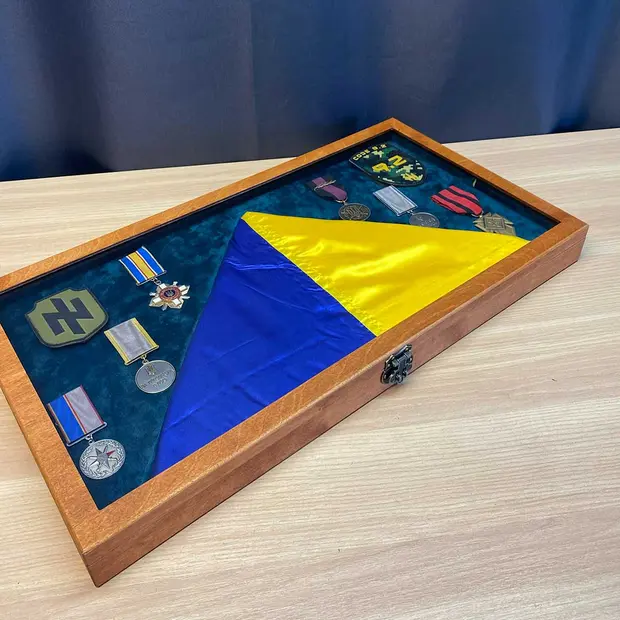
- Triangle (Folded Flag of Memory and Honor): The form a flag takes after a special ceremonial folding ritual. The triangle symbolizes a duty honorably fulfilled, fortitude, and a warrior's preserved honor.
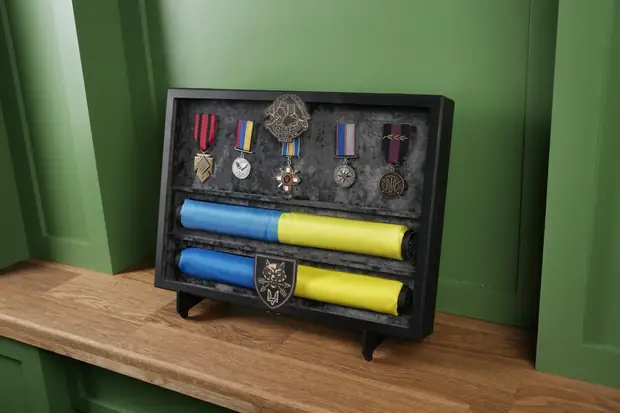
- Rolled / Assault Design: A compact format of a flag rolled into a tight cylinder or roll. It embodies the dynamics of combat operations, readiness for deployment, and a direct connection to frontline events.
- Military Pennants and Award Badges (triangular, V-shaped, shield-shaped): Used to designate headquarters, as unit commemorative signs, or as individual awards. The complex geometry of such pennants emphasizes the special status of the relic.
2. Why is a Flag Folded into a Triangle or Rolled Up? (Facts and Symbolism)
The way a flag is folded is not an arbitrary decision, but a tradition driven by the practical needs of war and deep marks of respect.
Why is the Flag Folded into a Triangle?
- 12–13 Successive Folds and Protection of the Cloth: Folded into a triangle, the flag goes through a series of clearly defined folds. This makes it monolithic: it does not unfold on its own, and all edges, seams, and threads are hidden inside, protecting the fabric from dust and wear.
- The Shape of the Traditional Headwear: Historically, this shape resembled the tricorn hats (tricornes) of 18th-century warriors, emphasizing the fighter's belonging to the military brotherhood.
- Symbol of Preserved Honor: At the end of the ceremonial folding, only the clean, neat cloth with no open seams remains on the outside—a symbol that the flag has been kept clean and military duty has been fulfilled to the end.
Why is the Flag Rolled Up (Assault Format)?
- Tactical Identification ("Friend-or-Foe"): In dynamic combat, during an assault, regrouping, or building clearance, quickly identifying your forces is a matter of survival. A rolled flag attached to gear allows state colors to be shown in seconds for aerial reconnaissance, adjacent units, or armored vehicles, preventing "friendly fire."
- Readiness for Instant Raising: Secured with straps to a plate carrier or backpack, the rolled flag allowed a warrior immediately after clearing a position or de-occupying a settlement to raise the state symbol over the liberated land.
- Energy of Victory and Combat Charm: If the triangle is more about solemnity and ceremony, the rolled flag preserves the spirit of combat, the dynamics of victory, and the memory of the unit's actual combat path.
3. Ceremonial Etiquette and Types of Flags in the Military
In the modern Ukrainian military, clear traditions for using and handing over flags have taken shape:
- Ceremonial Funeral Flag: According to the DSTU standard, it measures 1.6x2.4 m. It completely covers the casket during the farewell. After the ceremony, the flag is folded into a triangle or rectangle and handed over to the fallen soldier's family. In international traditions, this flag becomes a personal family relic.
- Flag Upon Discharge (to the Reserve): Presented to a service member upon completion of service as a symbol of their devotion to the state. The procedure for storing and folding it is usually determined by the unit's internal traditions.
- Assault (Rolled) Combat Flag: A flag that has been through hot spots with a fighter, often bearing comrades' signatures, traces of soot or combat damage, and preserved as a symbol of valor.
4. Why is a Folded or Rolled Flag Placed Together with Awards?
In traditional memorial culture, the flag holds a central place alongside combat orders, medals, and chevrons. This creates a single vertical line of respect:
- The Flag as the Source of the Feat: Orders and medals are awarded for specific operations or personal valor. But it is under the flag that a warrior takes the oath and goes into battle. The flag in this ensemble shows that all personal decorations were earned under this single banner.
- The Triangular Flag as the Sacral Center of the Display: The folded triangle creates a stable geometric peak. Placed in the center or at the top of the award display case, it symbolizes the preserved honor around which awards, chevrons, and a commemorative photo harmoniously cluster.
- The Rolled Flag as a Symbol of Combat Path and Identification: When a rolled assault flag (often with comrades' signatures) is placed in the display case next to awards, it adds an authentic frontline character to the exposition. It recalls the days when this banner on body armor served as a recognition sign for friendly forces and a marker of land liberation.
- Integrity of the Family Relic: A separately presented medal will tell only about a single episode. The combination of the flag (folded or rolled), combat decorations, and chevrons transforms individual items into an integral family relic that passes the warrior's story on to future generations.
5. How to Properly Store a Relic Flag
A flag with comrades' signatures, a combat banner from the front line, or a ceremonial memorial flag should not lie in an ordinary closet. Preserving such a symbol is a continuation of respect for the warrior's history.
- Protection from the Environment: The banner's fabric is sensitive to direct sunlight, dust, and humidity.
- Special Display Cases and Shadow Boxes: The optimal solution is storing the flag (in a triangular or rectangular display case) with protective glass.
- Dignified Presentation: Natural materials emphasize the solemnity of the relic and protect the fabric and metal from destruction by time.
“Dignified storage of the flag is not just decor, but our attitude toward history. We create conditions in which the memory of the feat will live for decades.”
Oleh Stepnykh, founder of the Zaytcev Wood workshop
Conclusion
The flag is a living witness to the struggle and independence of Ukraine. Regardless of the form in which the banner is kept—in a ceremonial triangle or in a rolled assault format—adhering to military etiquette and honoring it alongside awards is our shared duty to those who fought for freedom.


